
Moose Lake
Olympic National Park: Moose Lake
Trip Details
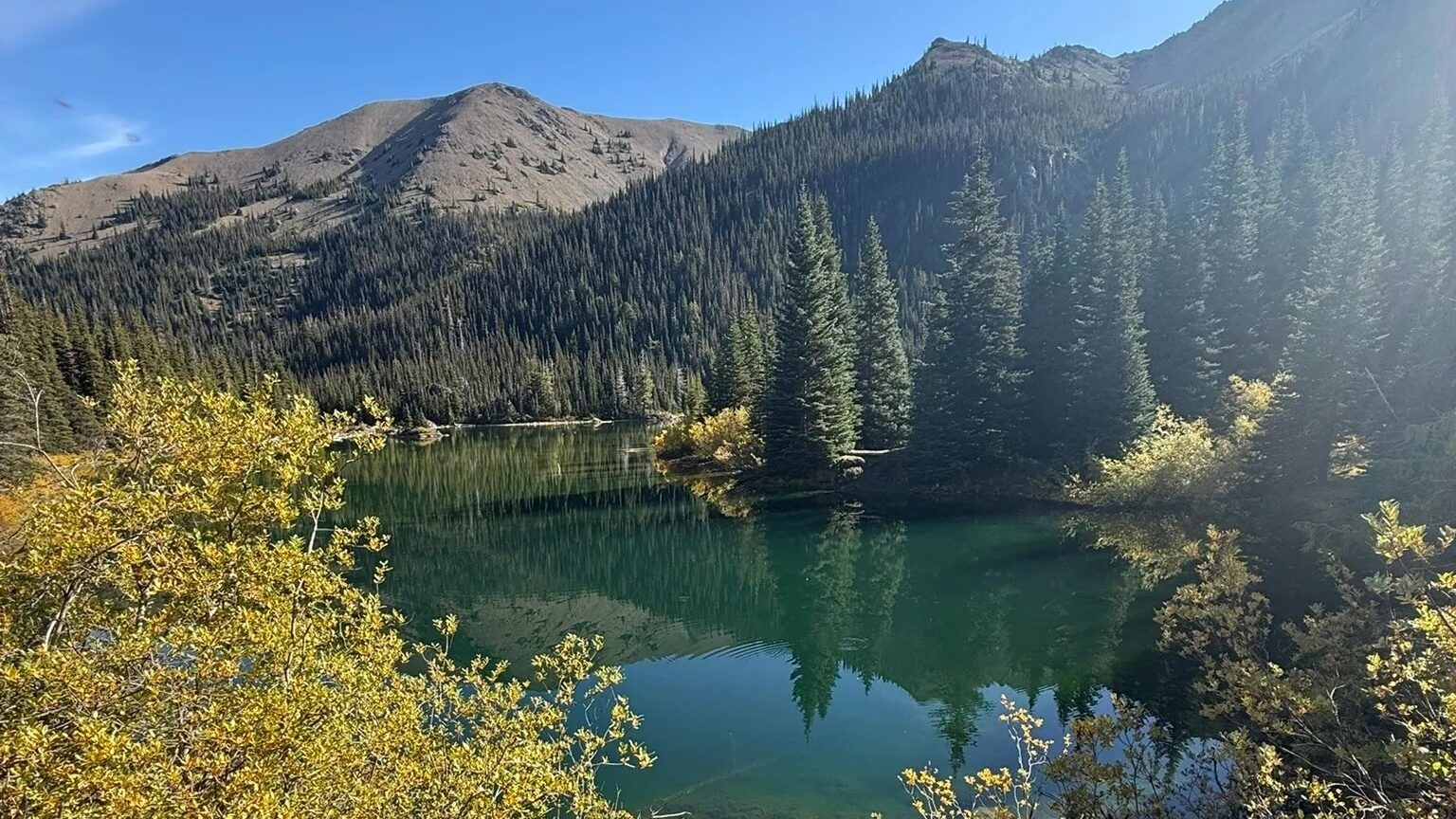
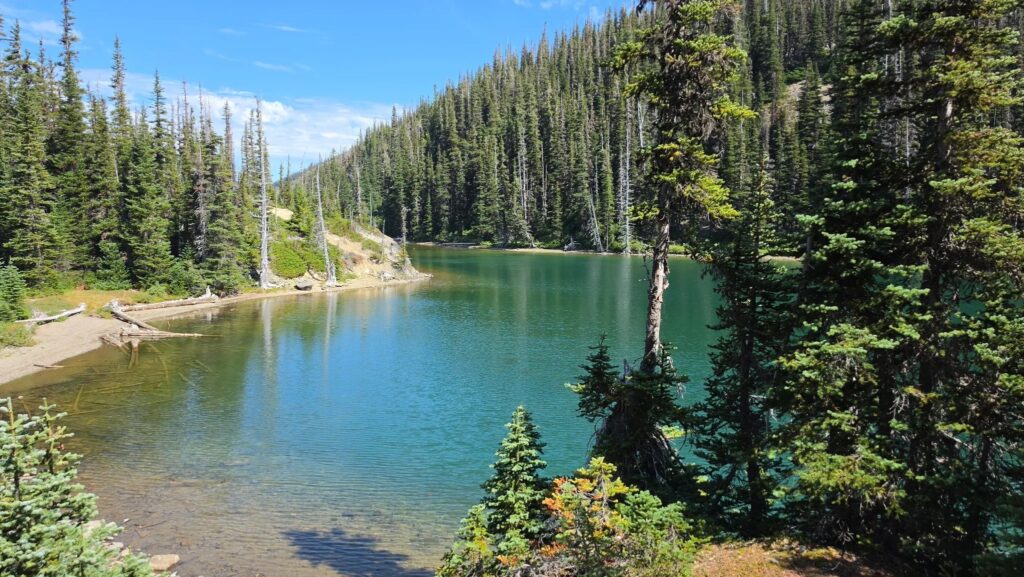
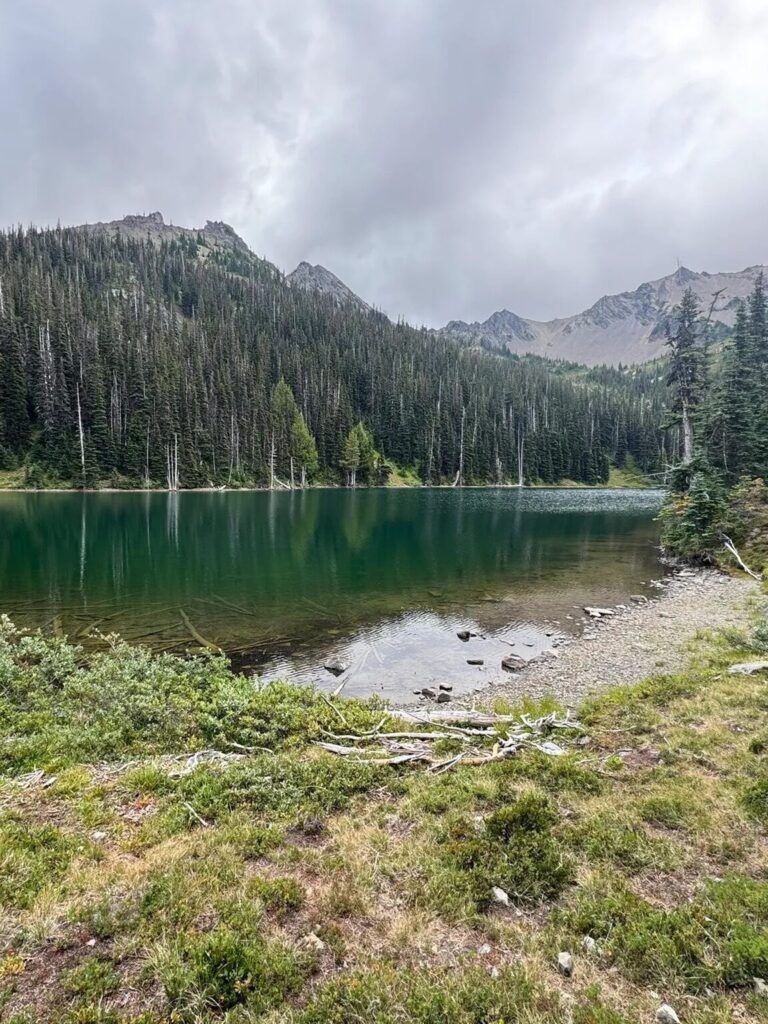
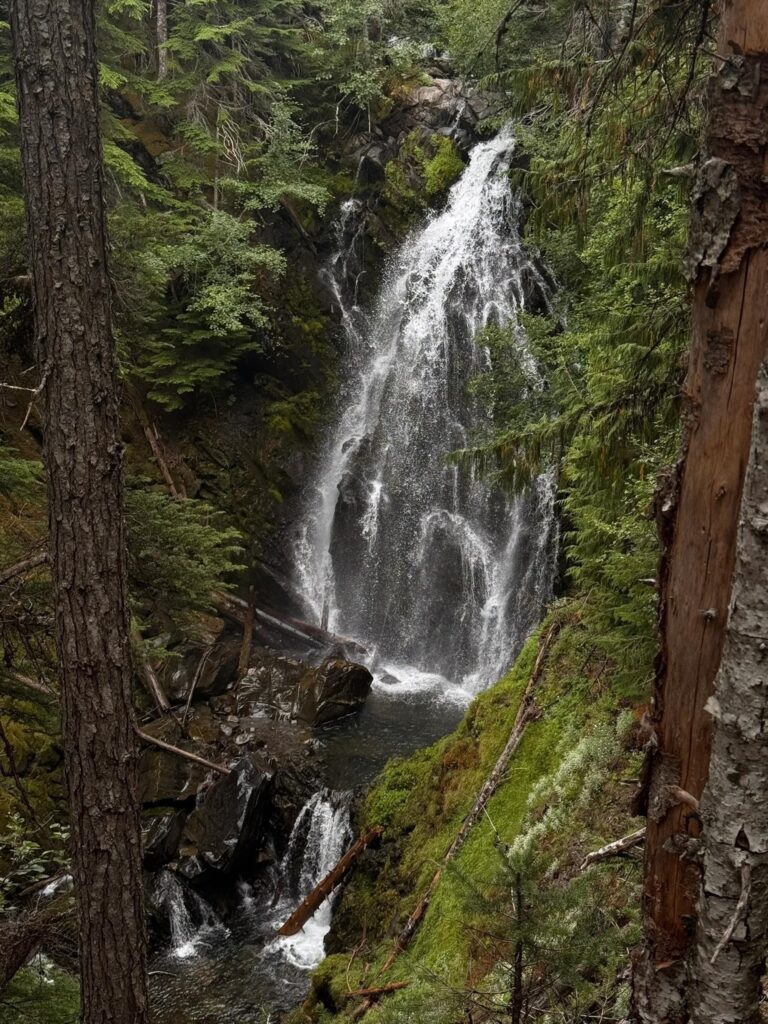
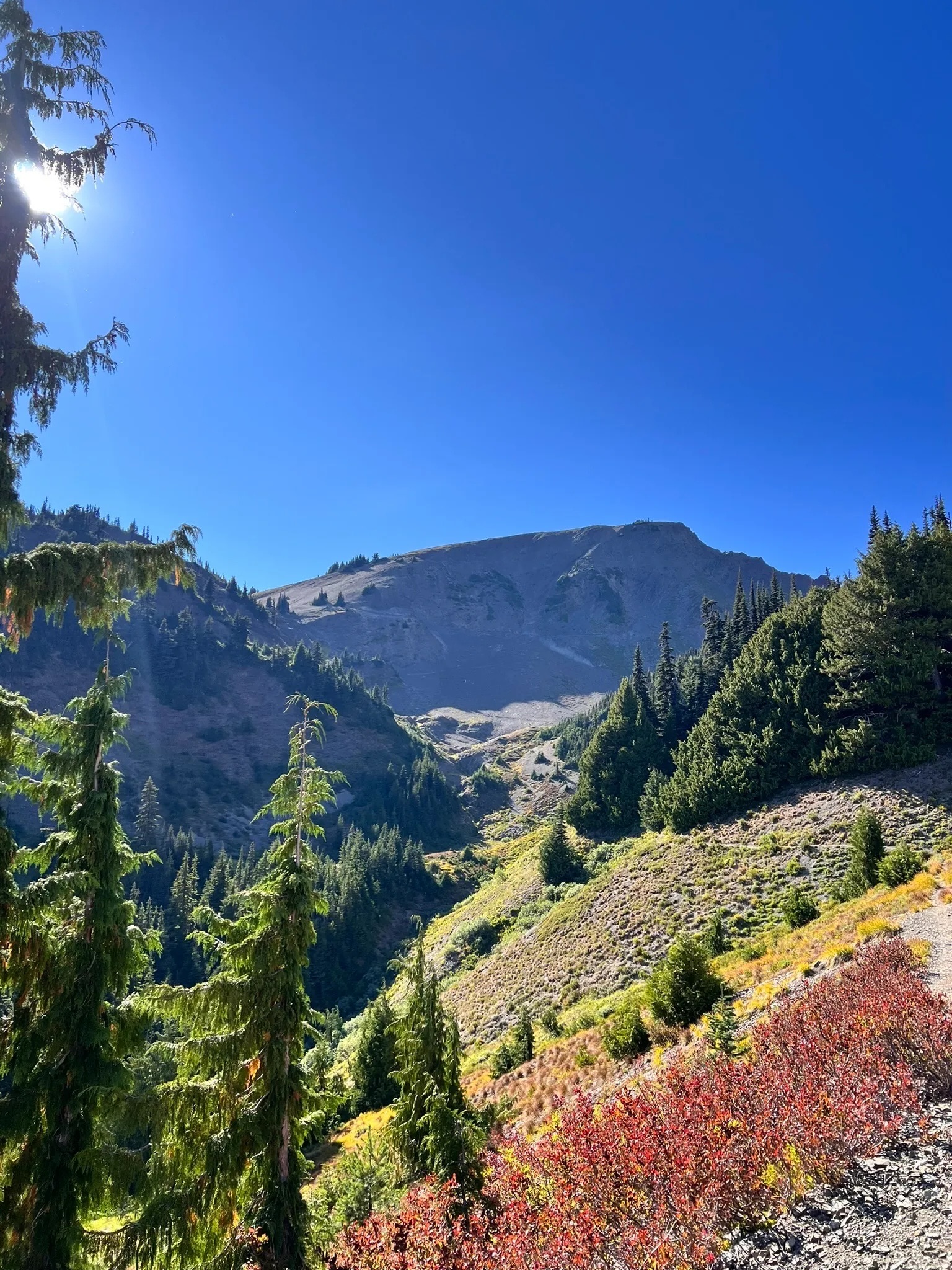
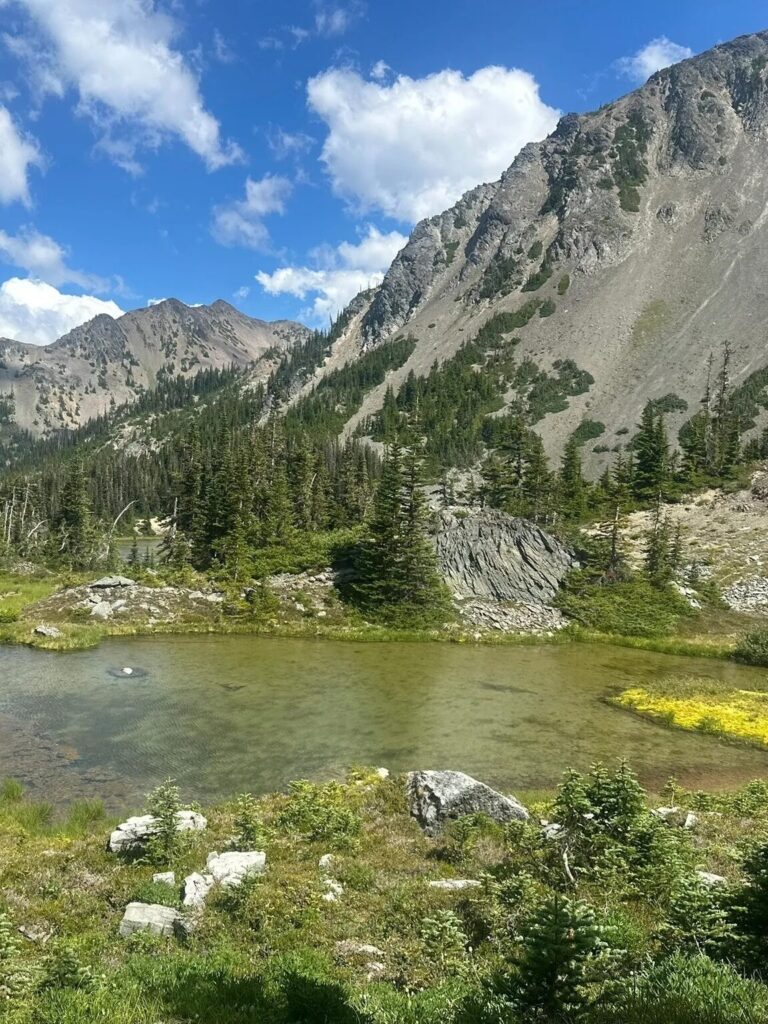
Moose Lake offers a unique experience in Olympic National Park, as the trail starts high on Hurricane Ridge with its breathtaking views, then drops down to the lake-filled valley below Grand Pass. This trip begins with a visit to the Lower Elwha Klallam tribe’s Carnegie Museum in Port Angeles, followed by camping in the dense old-growth forest at Heart O’ The Hills campground. The trail features high-altitude rocky ridges, lush meadows, wildflowers, waterfalls, and lakes surrounded by mountains. From the campsite at Moose Lake, groups can explore nearby Grand Lake and Gladys Lake, or climb Moose Peak or Grand Pass for more incredible views of the mountains around the Elwha River.
We provide all needed gear, including boots and clothing if notified 4 weeks ahead of time. Food from lunch on the first day to lunch on the last day is provided, and we will send you a menu and food options form to fill out before your trip. Transportation is provided from the meet location in Federal Way and back.
Gear Provided
- Tent
- Backcountry sleeping pad
- Multi-day backpack
- Sleeping bag
- All meals from lunch the first day through lunch on the last day
- All entrance fees, permits and passes
- First-aid kit and satellite phone
- Group kitchen and food service gear
- Water bottles
Learning Goals
- Leave no trace
- Gear management
- Plant and wildlife identification
- Basic backpacking skills such as cooking, campfires, filtering water, first-aid
- Map reading
- Local geography
- Cultural history
Documents
- Packing Checklist
- How to Not Overpack A guide to packing for your backpacking trip, with what to bring, what not to bring, and how to be prepared for gear malfunctions while still packing light.
- Pooping in the Woods What to expect.
- Periods in the Backcountry What to bring and how to plan when backpacking on your period.
- Backpacking and Binding Strategies for backpacking if you will be wearing a binder.
What to Expect
Orientation
All our trips start with an orientation process during which our guides check participant’s gear, go over the schedule and itinerary for the trip, and help participants pack their backpacks. We complete this orientation regardless of experience level. During the orientation, all participants will have the option to borrow Sahale Outdoors gear, even if they brought their own backpack, sleeping bag, mess kit, etc. The orientation process usually takes 1-2 hours.
Day 1: Museum and Campground
On the first day, we will head to the area in which we will be hiking and visit a museum that highlights the Indigenous history of the land we will be on. Whenever possible, we visit and support museums that are managed by Native nations. After the museum visit, we camp at a front country campground near the trailhead. The first night, there will be access to a bathroom (sometimes with running water) and the vehicle.
Day 2-5: Backpacking
Our tentatively planned route is as follows, depending on the available permits for camping locations. The guides will lead the group at an accessible pace, with rests as needed.
Day 2: Backpack 3.9 miles to Moose Lake
Day 3-4: Day hikes (no backpacks) or lake exploration
Day 5: 3.9 miles back up to trailhead
Returning home
The last day of the trip will consist of hiking out to the vehicle and driving back to base. It’s difficult to predict the exact timeline, as group speed, route, campsite choice, and traffic are all factors. In general, we try to get back to our meet location in Federal Way around 4-5 PM.
Difficulty Level
Intermediate to Challenging: 2,500 feet of elevation gain and loss over 8 miles, with the option for more if groups choose
Length
Five days
2027 Dates
Middle School: August 2-6
High School: August 9-13
Book Your Trip
Pricing includes gear rental, food, transportation, and all entrance fees, permits, and passes.
A deposit is due at sign-up, with the remainder due one month before the trip date. We also have monthly payment plans available.
Our mission is to make outdoor recreation accessible to all. If you cannot afford the total trip cost, request sliding scale pricing here:
Indigenous Land
Lower Elwha Klallam
“Always respect your Elders, yourself, and your children/spiritual beliefs.”
“Help someone who needs it whether or not you like them.”
“Take care of and respect Mother Earth – take only what you need.”
“Live in honesty and truth.”
“Never fear death – you were born to die.”
“Every part of this earth is sacred.”
Lower Elwha Klallam Traditional Values
The Lower Elwha Klallam Tribe, along with Washington State and the National Parks service, currently conducts habitat restoration in the Elwha watershed, facilitating the rebirth of the river following the largest dam removal project to date. The tribe’s award-winning restoration crew has been working since 1994, revegetating floodplains, removing invasive species, recreating fish habitat, and rebuilding ecosystems destroyed by roads, dams, and other industrial structures.
The Lower Elwha Klallam speak a dialect of the same language spoken by the Port Gamble S’Klallam Tribe, and the Jamestown S’Klallam Tribe. Historically spoken across a wide area of the northern Olympic Peninsula, from the Olympic Mountains to the south of Vancouver Island, by 1990, there were only eight speakers of the Klallam language left. Since then, the Tribe has used documentation, recordings, and transcriptions to revive the language. Today, Klallam is taught at the Port Angeles High School and through adult classes, is used during community events, and has numerous educational resources available, including a dictionary, computer games, and even Wordle.
Before the European invasion, the Klallam stewarded the northern Olympic Peninsula, using the Elwha River and a network of trails between villages to stay connected. Messengers would run the trails between villages with news and announcements, and Klallam families would travel up and over the Olympic Mountains to gather plants, hunt game and visit relatives. They had both seasonal and year-round villages along the shores of the Strait and the Lower Elwha River.
To the Klallam, the Olympic Mountains were sacred and revered.