Baker Lake
North Cascades: Baker Lake
Trip Details
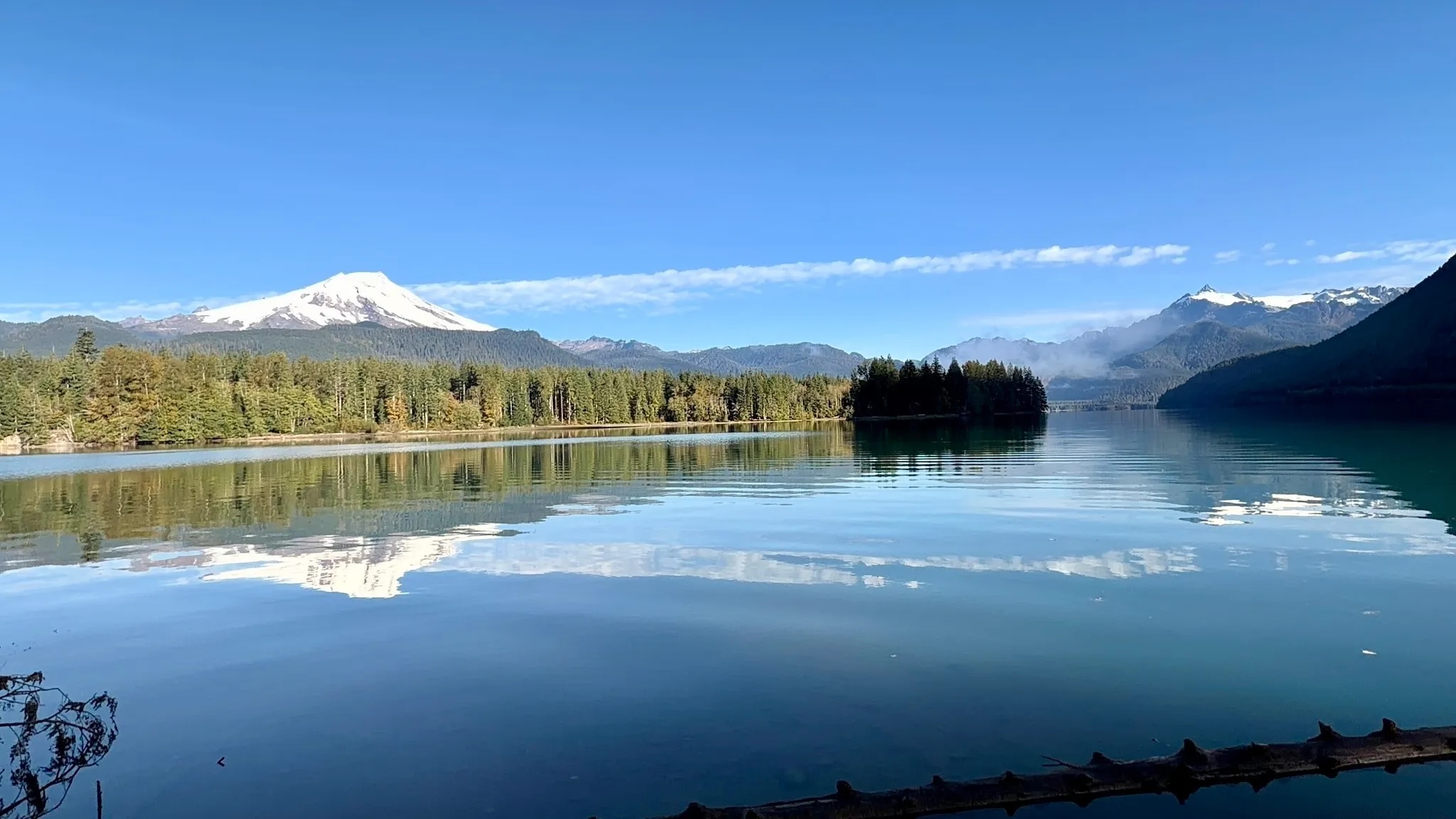
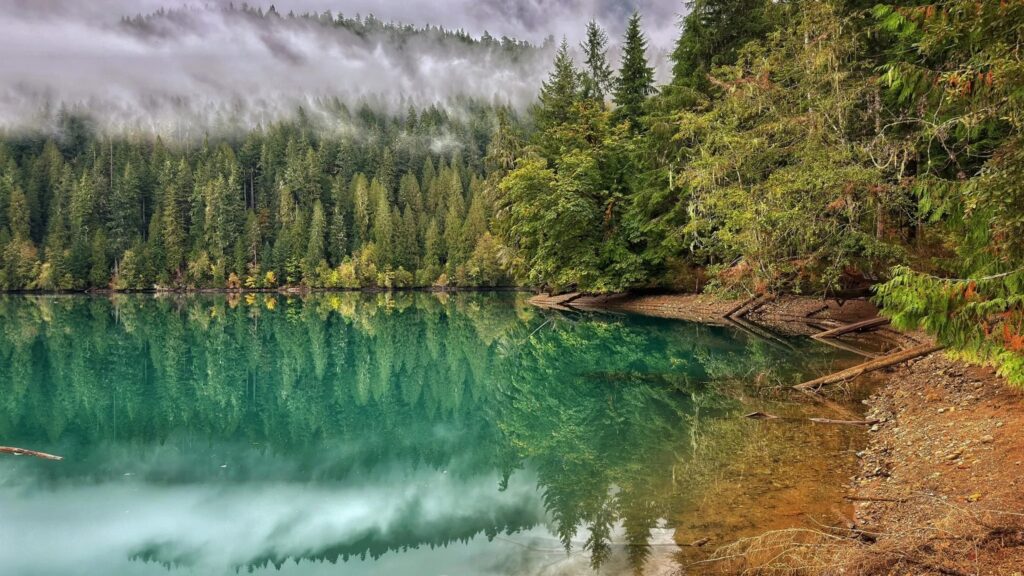
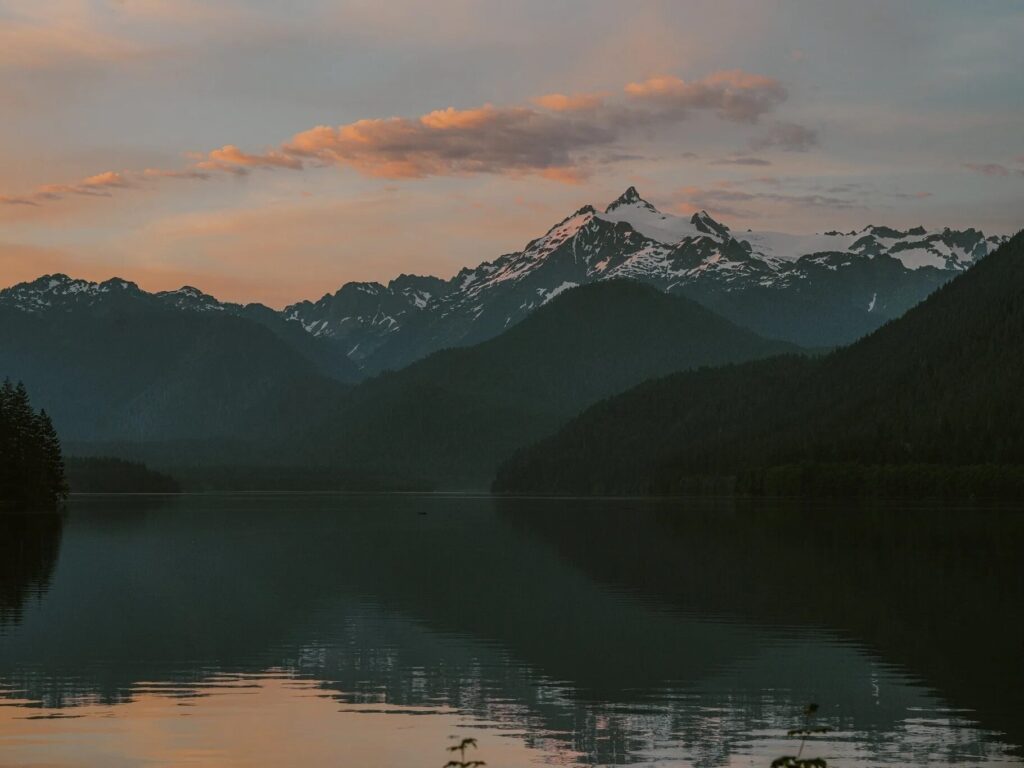
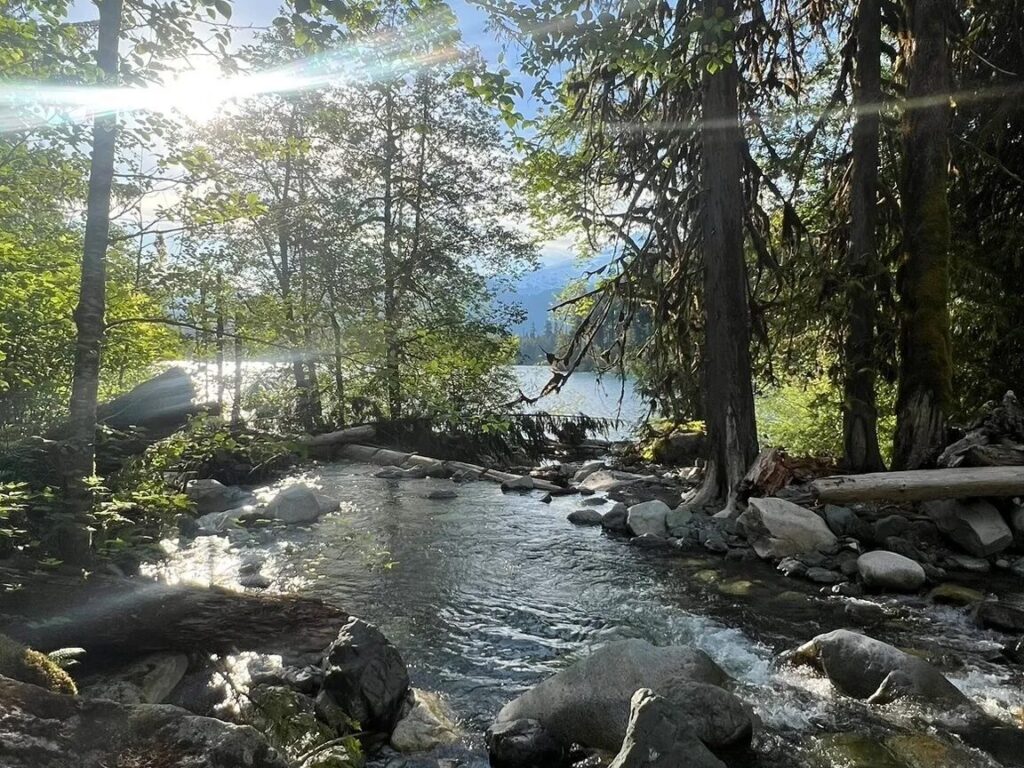
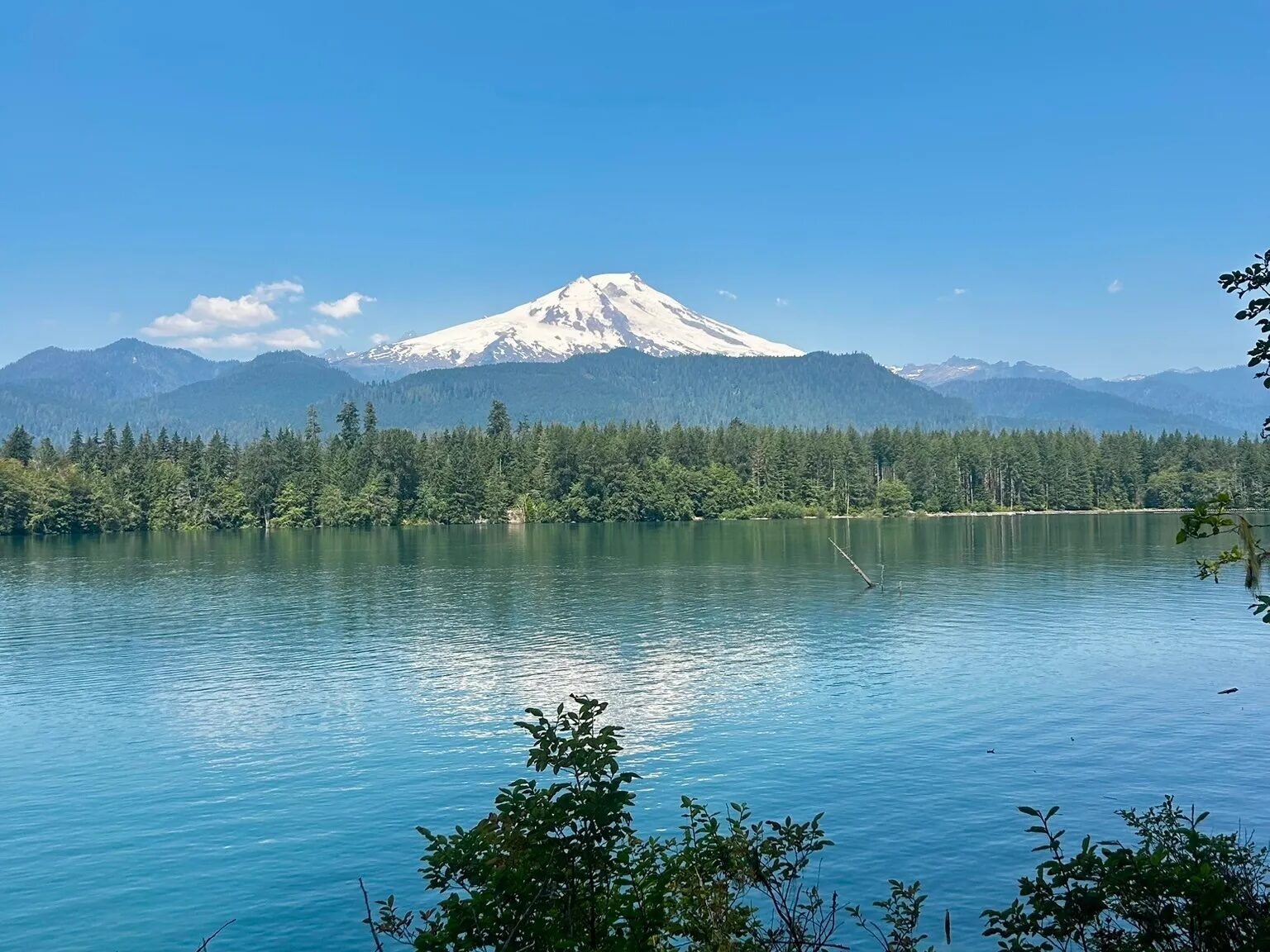
Our 3 day trip to Baker Lake offers an unparalleled introductory backpacking experience, with its wooded trails, intensely blue water, and lakeside campsites welcoming all experience levels. Watch the snow-covered slopes of Kulshan (Mt. Baker) reflecting in the lake water as the light changes, identify the myriad wildflowers along the trail, and soak up the evergreen smells and splashing creek noises. At only 7 relatively flat miles and three days, this trip is the perfect choice for anyone looking for an experience that features more relaxation or exploration, rather than challenging climbs, without sacrificing breathtaking views!
We provide all needed gear, including boots and clothing if notified 4 weeks ahead of time. Food from lunch on the first day to lunch on the last day is provided, and we will send you a menu and food options form to fill out before your trip. Transportation is provided from the meet location in Federal Way and back.
Gear Provided
- Tent
- Backcountry sleeping pad
- Multi-day backpack
- Sleeping bag
- All meals from lunch the first day through lunch on the last day
- All entrance fees, permits and passes
- First-aid kit and satellite phone
- Group kitchen and food service gear
- Water bottles
Learning Goals
- Leave no trace
- Gear management
- Plant and wildlife identification
- Basic backpacking skills such as cooking, campfires, filtering water, first-aid
- Map reading
- Local geography
- Cultural history
Documents
- Packing Checklist
- How to Not Overpack A guide to packing for your backpacking trip, with what to bring, what not to bring, and how to be prepared for gear malfunctions while still packing light.
- Pooping in the Woods What to expect.
- Periods in the Backcountry What to bring and how to plan when backpacking on your period.
- Backpacking and Binding Strategies for backpacking if you will be wearing a binder.
What to Expect
Orientation
All our trips start with an orientation process during which our guides check participant’s gear, go over the schedule and itinerary for the trip, and help participants pack their backpacks. We complete this orientation regardless of experience level. During the orientation, all participants will have the option to borrow Sahale Outdoors gear, even if they brought their own backpack, sleeping bag, mess kit, etc. The orientation process usually takes 1-2 hours.
Day 1-3: Backpacking
Our tentatively planned route is as follows, although campsites may vary depending on the available permits for camping locations. The guides will lead the group at a beginner’s pace, with rests as needed.
Day 1: Backpack 3.5 miles to camp
Day 2: Rest and exploration from camp
Day 3: 3.5 miles back to trailhead
Returning home
The last day of the trip will consist of hiking out to the vehicle and driving back to base. It’s difficult to predict the exact timeline, as group speed, route, campsite choice, and traffic are all factors. In general, we try to get back to our meet location in Federal Way around 4-5 PM.
Difficulty Level
Low: Mild elevation gain, 7 miles over three days, short daily distances
Length
Three days
2027 Dates
High School: June 21-23
Middle School: June 29-July 1
Book Your Trip
Pricing includes gear rental, food, transportation, and all entrance fees, permits, and passes.
A deposit is due at sign-up, with the remainder due one month before the trip date. We also have monthly payment plans available.
Our mission is to make outdoor recreation accessible to all. If you cannot afford the total trip cost, request sliding scale pricing here:
Indigenous Land
Upper Skagit
“From a cultural standpoint, I can’t explain enough what it means to have our tribal members fish in their ancestral river at an ancestral village location. They’re touching their history, their culture, their past, while we’re fishing there.”
Scott Schuyler, Upper Skagit Tribal Elder
The eleven predecessor bands that compose today’s Upper Skagit tribal nation include the Nuwha’ha, Nookachamps, Bsigwigwilts, Bsxwexwehwa’1, Chobahahbish, Sabelxu, Saylayotsid, Shayayotsid, Kwabatsabsh, Sahkumehu, and Skaywih. Members of these bands carried on fishing, shellfishing, hunting and gathering activities from the saltwater areas all the way to the mountainous upper reaches of the Skagit River, adjacent areas and, for hunting and gathering, even into Eastern Washington. Upper Skagit people hunted game (including deer, elk, cougar, and mountain goat), on mountains and high locations, at streams and lakes, at meadows and on the plains.
In 2004, the Upper Skagit tribe negotiated for updates to the hydroelectric dams that would improve the access of salmon, especially sockeye salmon, to Baker Lake and the river system above it. The improvements that they orchestrated and now help to maintain, including a fish hatchery, habitat restoration, and transport system around the dam, has resulted in a record breaking recovery of the sockeye salmon run in the Baker River watershed. Today, members of the Upper Skagit tribe can once again fish near the location of their ancestral fishing village, S.báliuqʷ, on the shores of Baker Lake.