

Family Camping
Family Camping: Tahoma
Trip Details
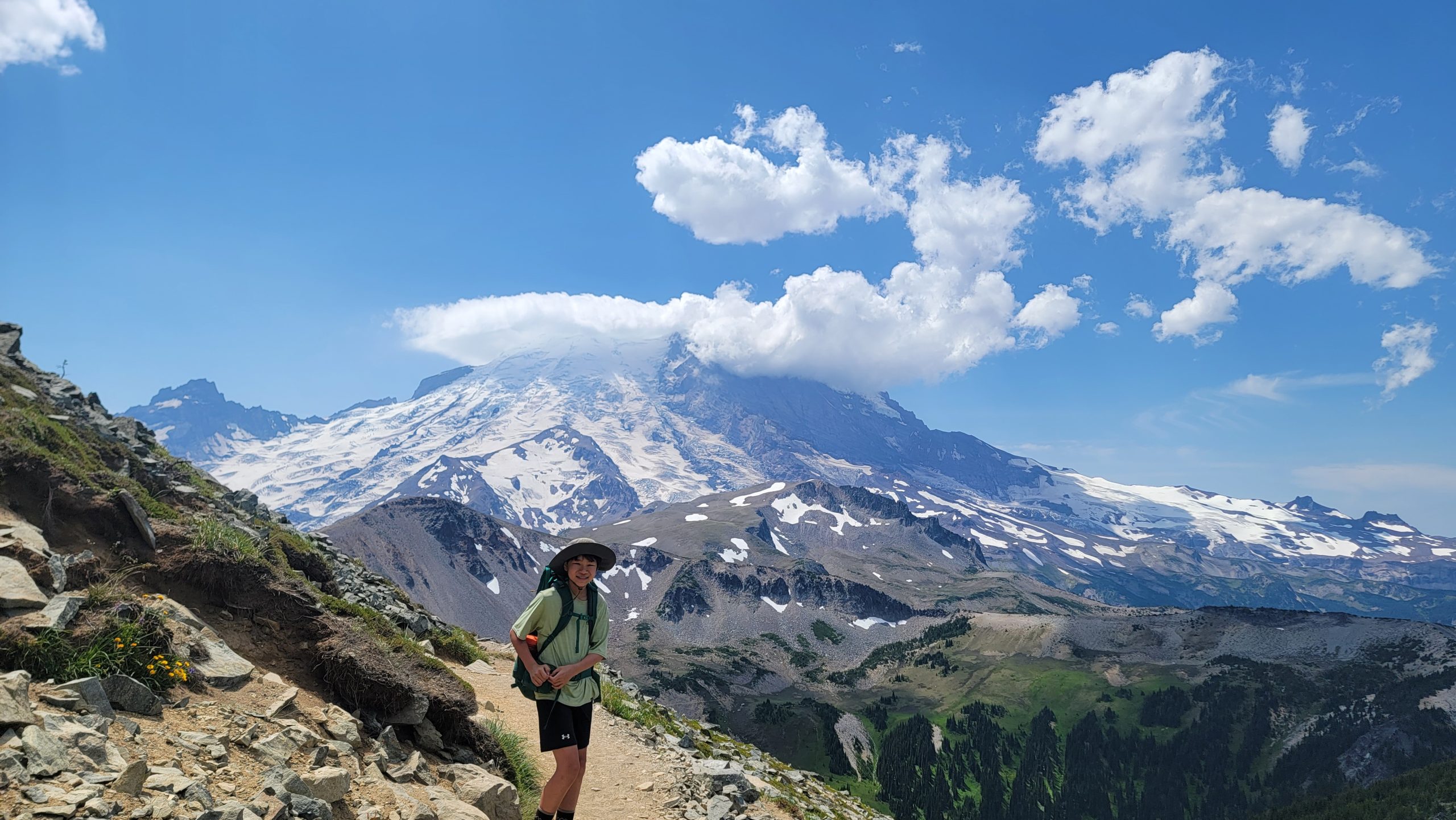
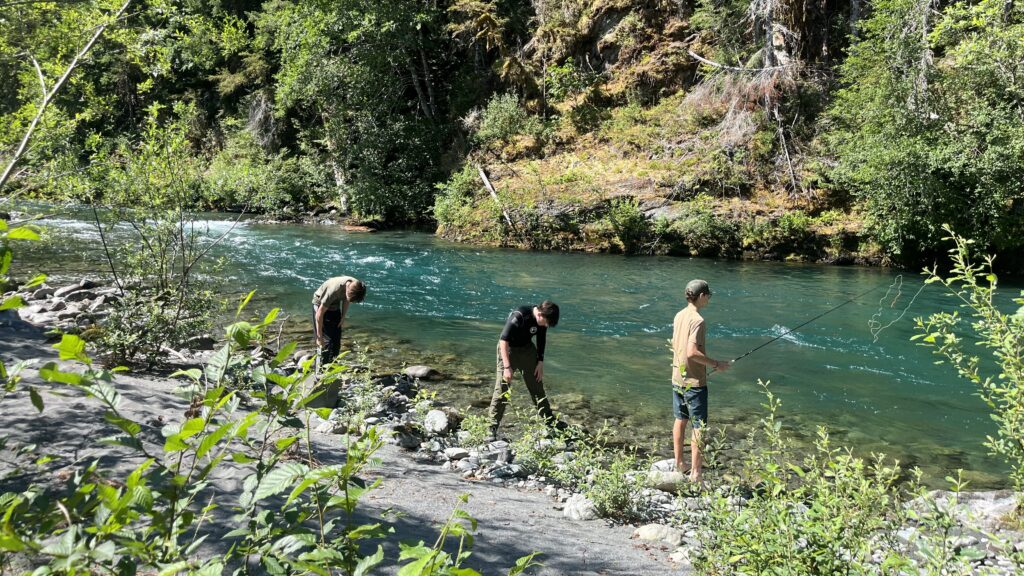
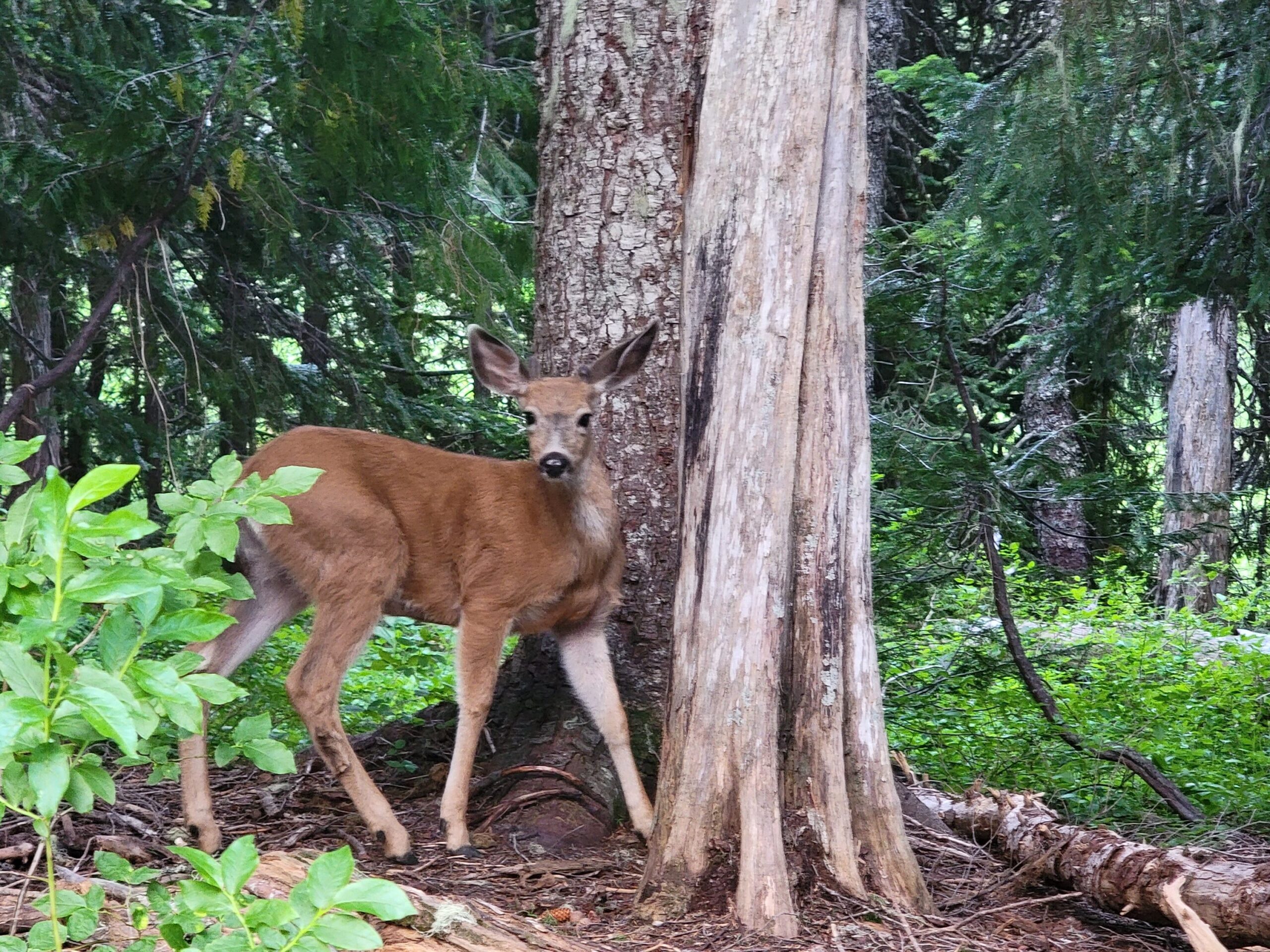
Camp as a parent/child pair or with the entire family while you explore the beautiful east side of Mt. Rainier National Park, at Ohanapecosh and White River Campgrounds. We provide transportation, camping gear, food, safety equipment like bug spray, bear spray, and a satellite communication device, so all you have to do is show up and get in the car!
Whether you’ve never been camping before or just don’t want to deal with all the logistics of planning a trip yourself, this trip offers you and your kids the opportunity to spend time outdoors together, meet new people in a safe and welcoming environment, and explore our most iconic National Park.
Gear Provided
- Tents
- Sleeping pads
- Sleeping bags
- All meals from dinner the first day through lunch on the last day
- All entrance fees, permits and passes
- First-aid kit and satellite phone
- Group kitchen and food service gear
- Water bottles
Learning Goals
- Leave no trace
- Plant and wildlife identification
- Basic camping skills such as cooking, campfires, first-aid
- Local geography
- Cultural history
Documents
- Packing Checklist
- Periods in the Backcountry What to bring and how to plan when backpacking on your period.
- Backpacking and Binding Strategies for hiking if you will be wearing a binder.
What to Expect
Day 1
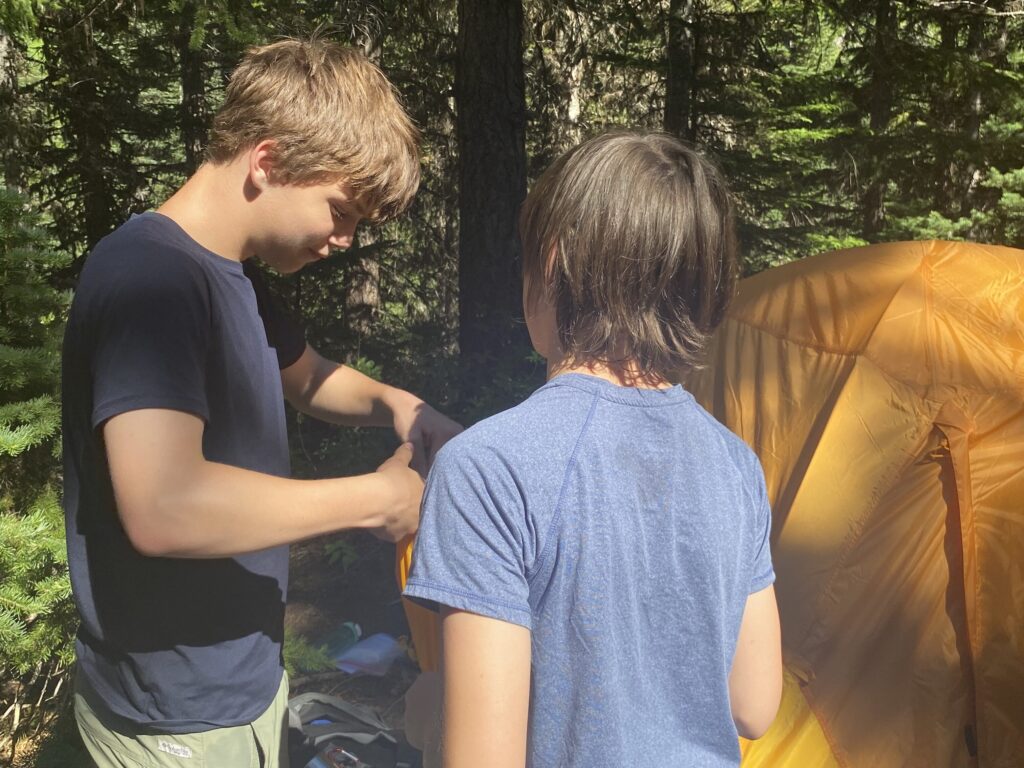
We’ll meet you at 4 PM in Federal Way, where we’ll make sure you have everything you need before driving up to either Ohanapecosh or White River Campgrounds. Once at our campsite, we’ll offer guidance on setting up tents, orient everyone to the space, and do some camp cooking. If the regulations around fires allow us to roast marshmallows, we will!
Day 2
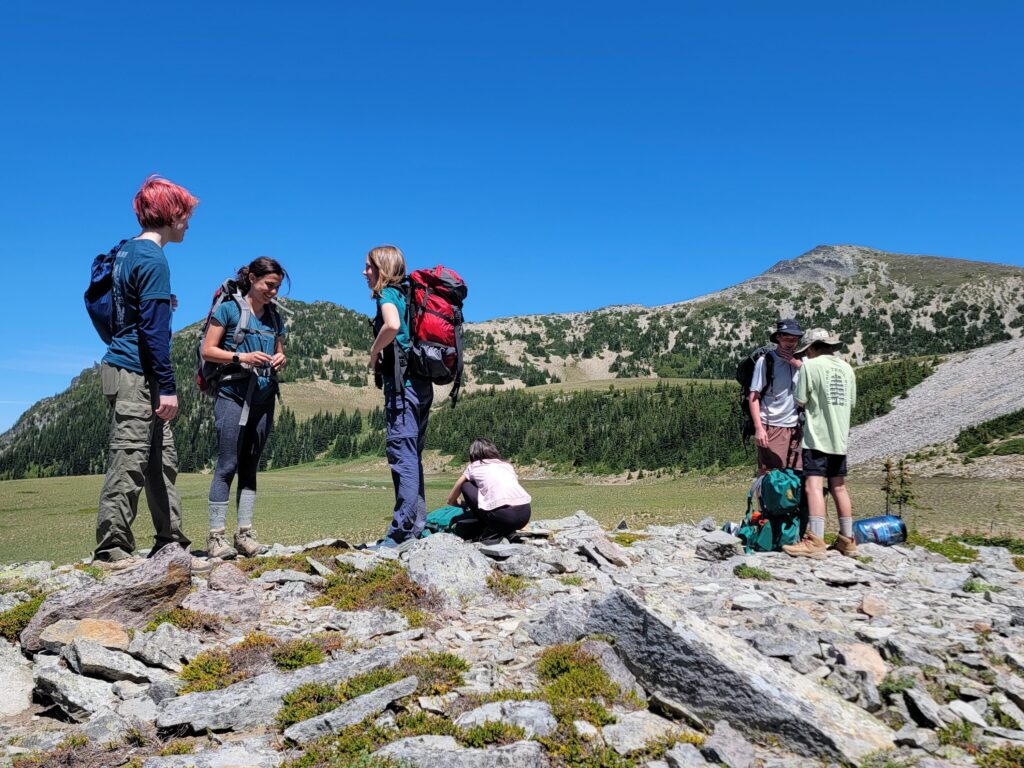
On day two, it’s choose your own adventure as we have options to check out the visitor’s centers, explore the many options for day hikes, and stop along the road for breathtaking views!
Day 3
The last day of the trip can fit in some additional exploring or hiking in the morning, before we have lunch and pack up camp. In general, we try to get back to our meet location in Federal Way around 4 PM.
Difficulty Level
Low: Camping with access to vehicle, hikes and exploration at group discretion
Length
Three days
2027 Dates
June 25-27 (Friday-Sunday)
July 23-25
Book Your Trip
Pricing includes gear rental, food, transportation, and all entrance fees, permits, and passes.
A deposit is due at sign-up, with the remainder due one month before the trip date. We also have monthly payment plans available.
Our mission is to make outdoor recreation accessible to all. If you cannot afford the total trip cost, request sliding scale pricing here:
Indigenous Land
Nisqually
“People of the River, People of the Grass”
The traditional homeland of the Nisqually people includes about two million acres of the Nisqually River drainage from Tahoma (Mt. Rainier) to Olympia. They have inhabited this land for thousands of years, since, according to their history, their ancestors, the Squalli-absch, came north across the Cascades from the Great Basin. Nisqually life, territory, and culture have been heavily impacted by the European invasion of the Puget Sound area, and they have fought hard to maintain their identity and dignity in the face of displacement, violence, and suppression. Multiple names around the Puget Sound area honor Leschi, a war chief of the Nisqually Tribe during the mid 19th century, who, along with his brother Quiemuth, led the fight for his people’s right to remain on their ancestral homeland.
The Nisqually way of life revolves around salmon, and today, they lead the stewardship of fisheries resources in the Nisqually River area. The tribe operates two fish hatcheries on Clear Creek and Kalama Creek. The tribe’s resilience, dedication, and commitment can be seen in their continued efforts to come alongside, guide, and lead these efforts to care for the land.
Nisqually is a Southern Coast Salish language, and is a dialect of Lushootseed. Stories, songs, and other Nisqually language resources can be found on the tribe’s website, www.nisqually-nsn.gov.