

Caving: Loowit
Caving: Loowit (Mount St. Helens)
Trip Details
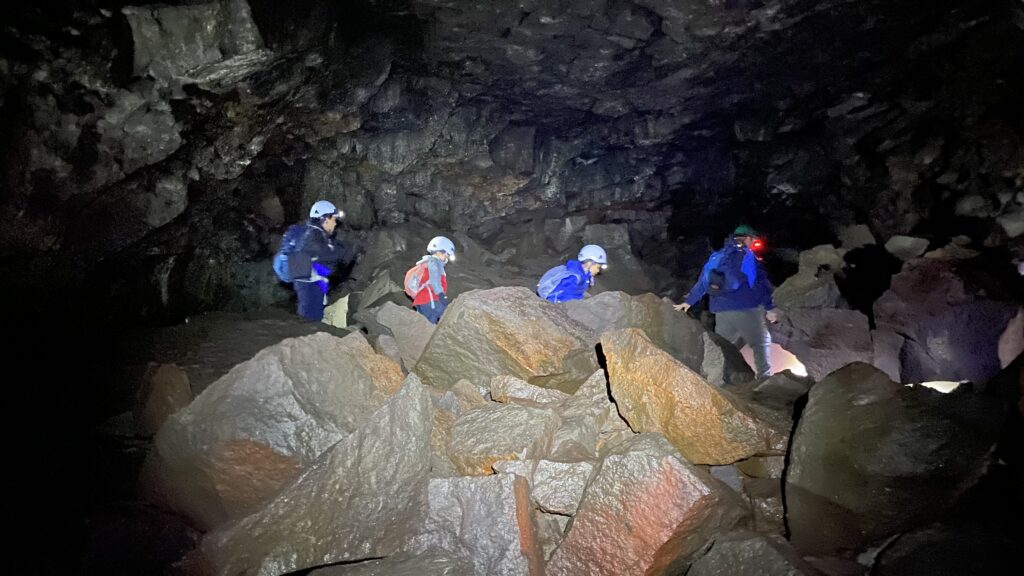
Explore the lava tube caves near Mt. St. Helens and learn about the geology of this unique volcanic area. This trip includes a visit to the Mount St. Helens Institute and their Volcano Outdoor School!
Gear Provided
- Tents
- Sleeping pads
- Sleeping bags
- All meals from dinner the first day through lunch on the last day
- All entrance fees, permits and passes
- First-aid kit and satellite phone
- Group kitchen and food service gear
- Water bottles
Learning Goals
- Leave no trace
- Volcanology, geology, and lava tube formation
- Caving best practices
- Basic camping skills such as cooking and campfires
- Local geography
- Cultural history
Documents
- Packing Checklist
- Periods in the Backcountry What to bring and how to plan when backpacking on your period.
- Backpacking and Binding Strategies for hiking if you will be wearing a binder.


Difficulty Level
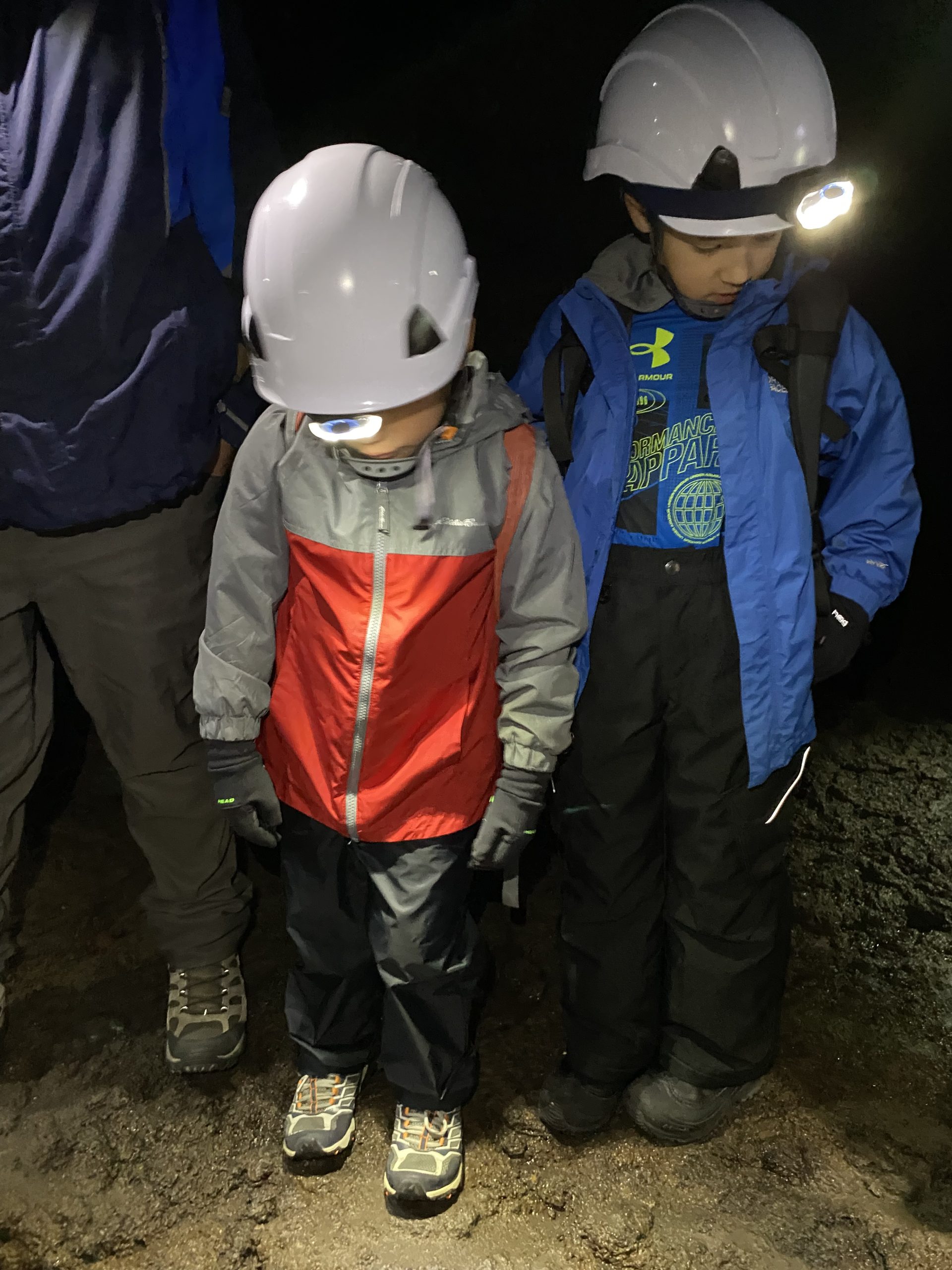
Intermediate: 3 miles total, cave includes difficult walking and some scrambling.
Length
Three days
2027 Dates
August 30-September 1
Book Your Trip
Pricing includes gear rental, food, transportation, and all entrance fees, permits, and passes.
A deposit is due at sign-up, with the remainder due one month before the trip date. We also have monthly payment plans available.
Our mission is to make outdoor recreation accessible to all. If you cannot afford the total trip cost, request sliding scale pricing here:
Indigenous Land
Nisqually
“People of the River, People of the Grass”
The traditional homeland of the Nisqually people includes about two million acres of the Nisqually River drainage from Tahoma (Mt. Rainier) to Olympia. They have inhabited this land for thousands of years, since, according to their history, their ancestors, the Squalli-absch, came north across the Cascades from the Great Basin. Nisqually life, territory, and culture have been heavily impacted by the European invasion of the Puget Sound area, and they have fought hard to maintain their identity and dignity in the face of displacement, violence, and suppression. Multiple names around the Puget Sound area honor Leschi, a war chief of the Nisqually Tribe during the mid 19th century, who, along with his brother Quiemuth, led the fight for his people’s right to remain on their ancestral homeland.
The Nisqually way of life revolves around salmon, and today, they lead the stewardship of fisheries resources in the Nisqually River area. The tribe operates two fish hatcheries on Clear Creek and Kalama Creek. The tribe’s resilience, dedication, and commitment can be seen in their continued efforts to come alongside, guide, and lead these efforts to care for the land.
Nisqually is a Southern Coast Salish language, and is a dialect of Lushootseed. Stories, songs, and other Nisqually language resources can be found on the tribe’s website, www.nisqually-nsn.gov.